Charming Watercolor Animal Art for Creative Projects
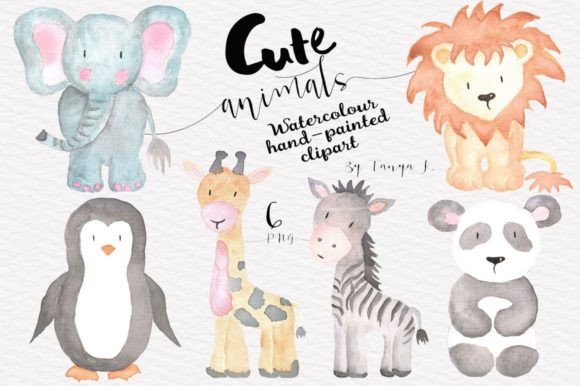
When you need to inject a sense of warmth and authenticity into a digital project, stock imagery often falls short. We have all seen the stiff, overly polished vector animals that lack soul. That is exactly why I was drawn to the Cute Watercolor Animals Clipart set by Tanya Kart. This collection offers something distinct in a market saturated with generic assets: genuine, handmade texture. It consists of six individual PNG files rendered at 300 DPI. The distinction here is the medium; these are not digital imitations of paint. They are scanned from actual hand-drawn and hand-painted illustrations created with high-quality watercolor paints and paper. For designers and creators, this translates to organic edges, natural pigment bleeds, and a tactile quality that software filters struggle to replicate perfectly.
The Authenticity of Hand-Painted Design Assets
In the world of modern typography and graphic design, we spend a lot of time talking about fonts, but visual elements are just as crucial for setting a tone. The Cute Watercolor Animals Clipart set bridges the gap between digital convenience and analog charm. Because these are provided as PNG files with transparent backgrounds, they offer immense flexibility. You do not need to spend hours masking out edges in Photoshop. You can drop them directly onto your canvas.
The visual personality of this set leans heavily toward the whimsical and gentle. The watercolor style suggests softness, care, and creativity. If you are working on a brand identity for a children’s boutique, a daycare, or a wellness blog, this aesthetic is invaluable. It communicates approachability without needing a single word of copy. Unlike a rigid sans serif font or a corporate vector graphic, watercolor art invites the viewer in. It feels personal. I find that these assets work exceptionally well when paired with script fonts or handwritten fonts. The irregularity of the brushstrokes complements the irregularity of hand-lettered typography, creating a cohesive, human-centric visual hierarchy.
Practical Applications for Entrepreneurs and Creatives
Understanding where to deploy these assets is key to maximizing their value. This is not just about making a cute greeting card; it is about strategic application across various mediums. The versatility of the Cute Watercolor Animals Clipart makes it a strong addition to your library of design assets.
Enhancing Packaging and Editorial Design
If you are involved in packaging design, particularly for artisanal goods, cosmetics, or children's products, these illustrations can elevate the shelf appeal. Imagine a lavender soap label featuring one of these delicate animal illustrations. It immediately signals that the product inside is crafted with care. In editorial design, such as magazines or e-books, these images serve as excellent spot illustrations. They break up long blocks of text, providing a visual resting point that keeps the reader engaged. They add personality to a layout without overwhelming the content.
Digital Marketing and Social Media Graphics
For social media graphics, standing out is the primary goal. Feeds are cluttered with bold, loud imagery. A soft, watercolor illustration can act as a thumb-stopping moment of calm. It works beautifully for Instagram stories, Pinterest pins, or Facebook headers, especially for niches like parenting, education, or lifestyle blogging. Because the files are high-resolution (300 DPI), they are also suitable for print-on-demand products. Think tote bags, mugs, or notebook covers. The quality ensures that the readability of the surrounding text remains high, as the soft edges of the clipart won't clash aggressively with your chosen typeface.
Integrating Clipart with Typography and Brand Strategy
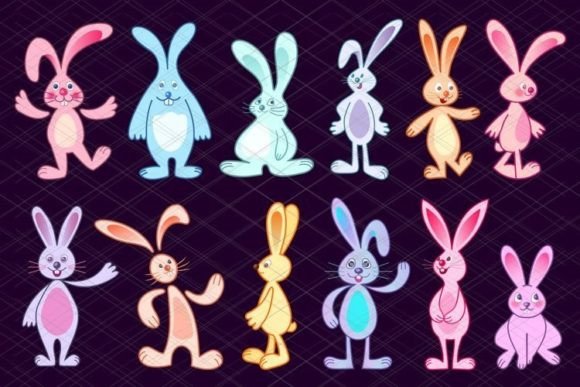
One of the most common mistakes I see in DIY design is a disconnect between imagery and text. You cannot pair a playful, hand-painted bunny with a rigid, corporate serif font like Times New Roman and expect it to work. The Cute Watercolor Animals Clipart demands a typographic pairing that shares its energy.
When evaluating font pairing for a project using this clipart, look for typefaces that mimic human imperfection. A premium font with a hand-drawn feel or a textured display font often works best. For example, if you are creating a logo for a pet groomer, you might use a bold, playful script font for the main name and a clean, rounded sans serif font for the contact details. The watercolor animal illustration can sit beside or behind the text, tying the elements together.
Consistency is vital for brand perception. If you use this clipart on your website, carry that same visual language into your email headers and your printed business cards. This repetition builds recognition. It tells your audience that you pay attention to details. It shows that your brand has a consistent voice—whether that voice is fun, nurturing, or artistic.
Technical Considerations for Your Workflow
From a technical standpoint, the asset is user-friendly. The PNG format is universally compatible. Whether you are using Adobe Photoshop, Illustrator, Canva, Procreate, or Affinity Designer, you can import these files instantly. The transparent background is a massive time-saver. It allows for layering effects. You can place the animal behind a text block and adjust the opacity to create a watermark effect, or layer multiple animals to create a pattern.
However, keep in mind the nature of commercial font and asset licensing. While Tanya Kart provides these assets for use in your artwork, always double-check the specific license if you plan to use them in a mass-produced physical product or a logo that will be trademarked. Generally, for web design, social media, and small-batch printing, these types of assets are cleared for commercial use, but it is professional practice to verify.
When testing these assets, do not just look at them in isolation. Place them in your actual layout. Check the readability of your headlines against the colors in the watercolor. Ensure that the "weight" of the illustration balances the weight of your text. A heavy, dark watercolor blob might distract from a light, thin sans serif font. In that case, you might need to adjust the scale or placement.
Conclusion: The Value of Human Touch
In an era of AI-generated art and perfect vectors, there is a growing hunger for the human touch. The Cute Watercolor Animals Clipart set by Tanya Kart provides that organic texture that resonates emotionally with audiences. It is a versatile set of design assets that can soften a brand, delight an audience, and solve layout problems in both print and digital spaces. By pairing these illustrations with the right creative fonts and maintaining a consistent visual style, you can transform a standard project into something memorable and engaging.